11th Grade Curriculum Trip
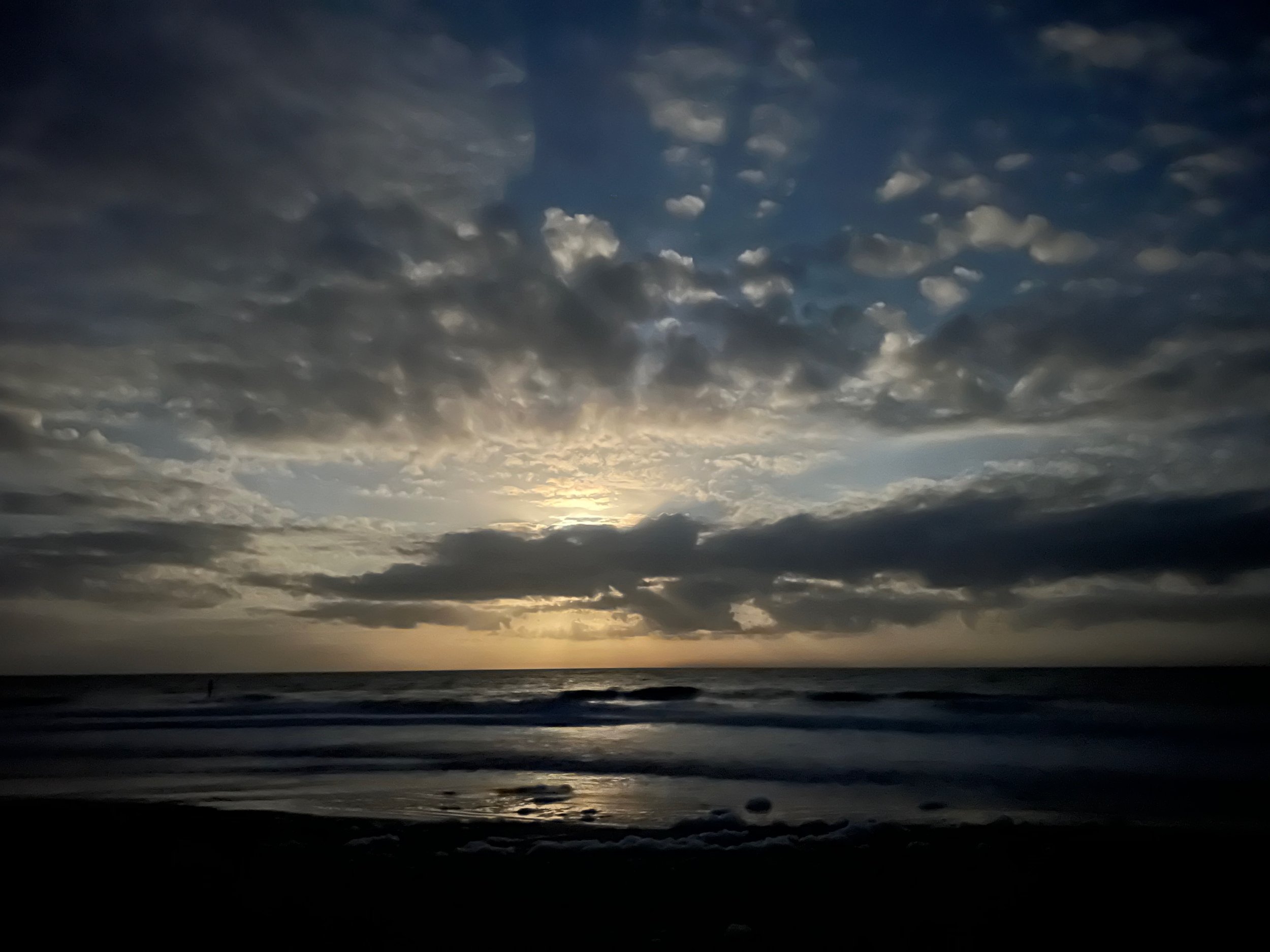
In the hush between forest and sea,
where salt wind braids itself through the long gray beards of live oaks,
there stands an island shaped by tide and time.
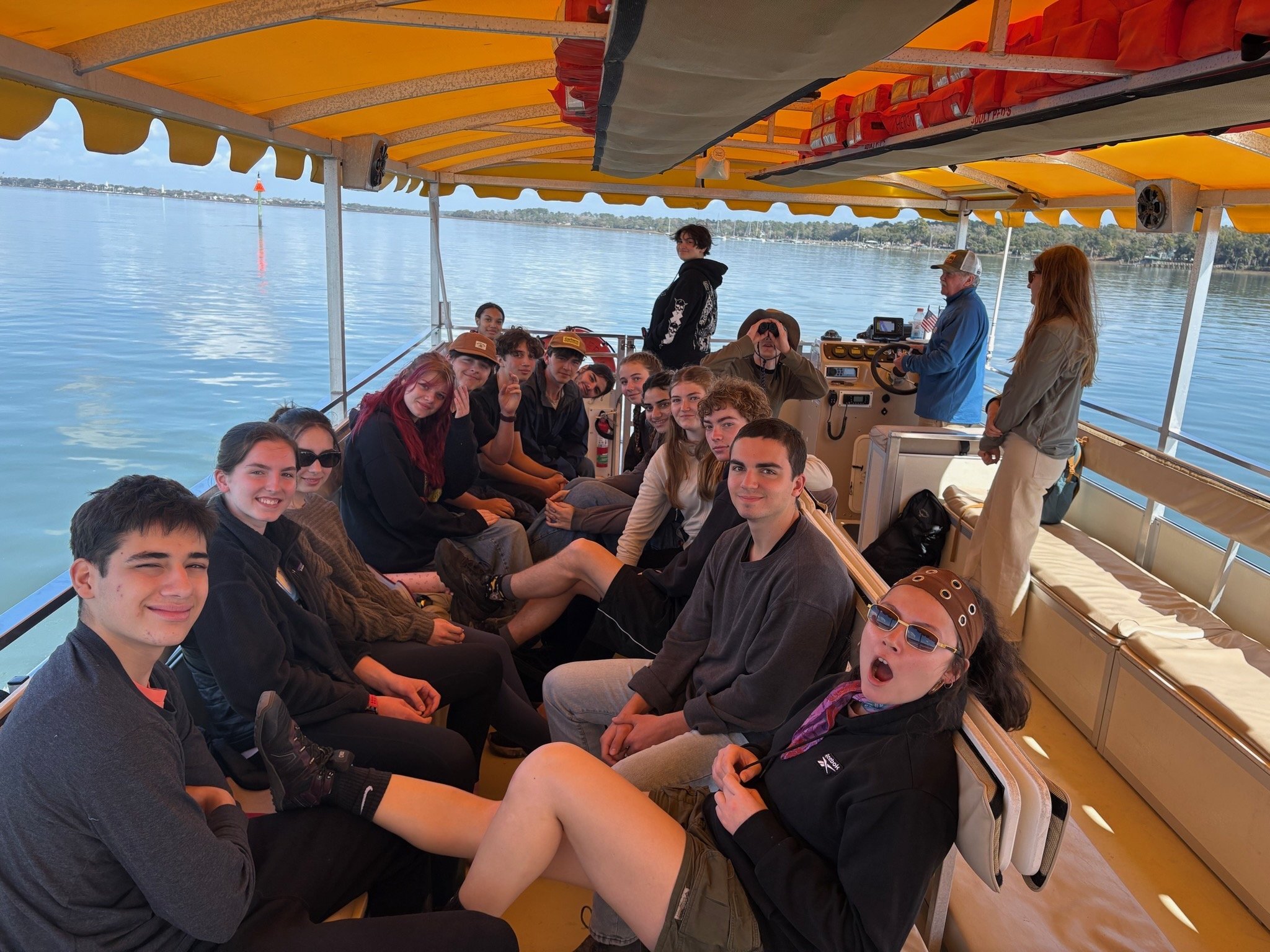
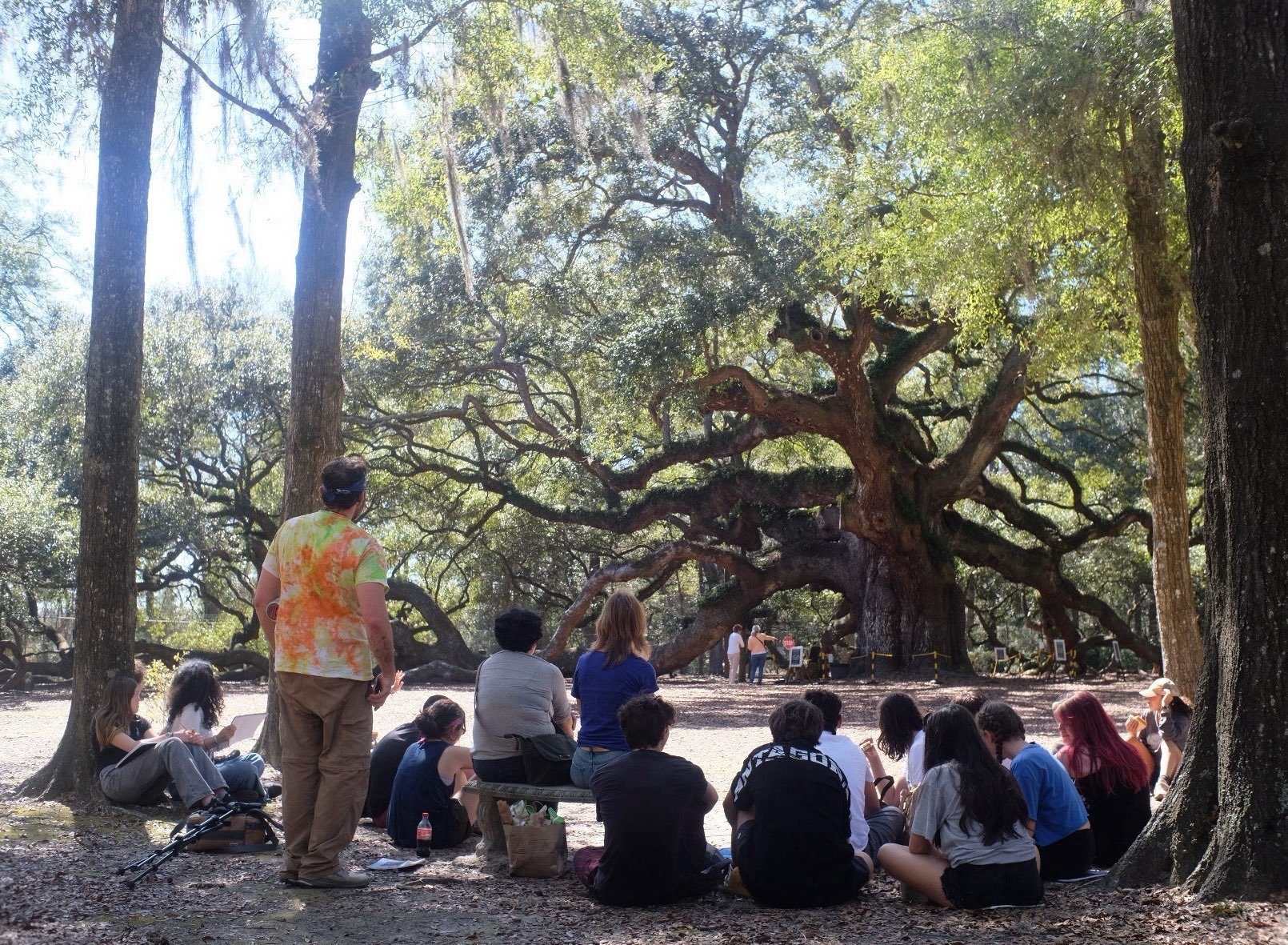
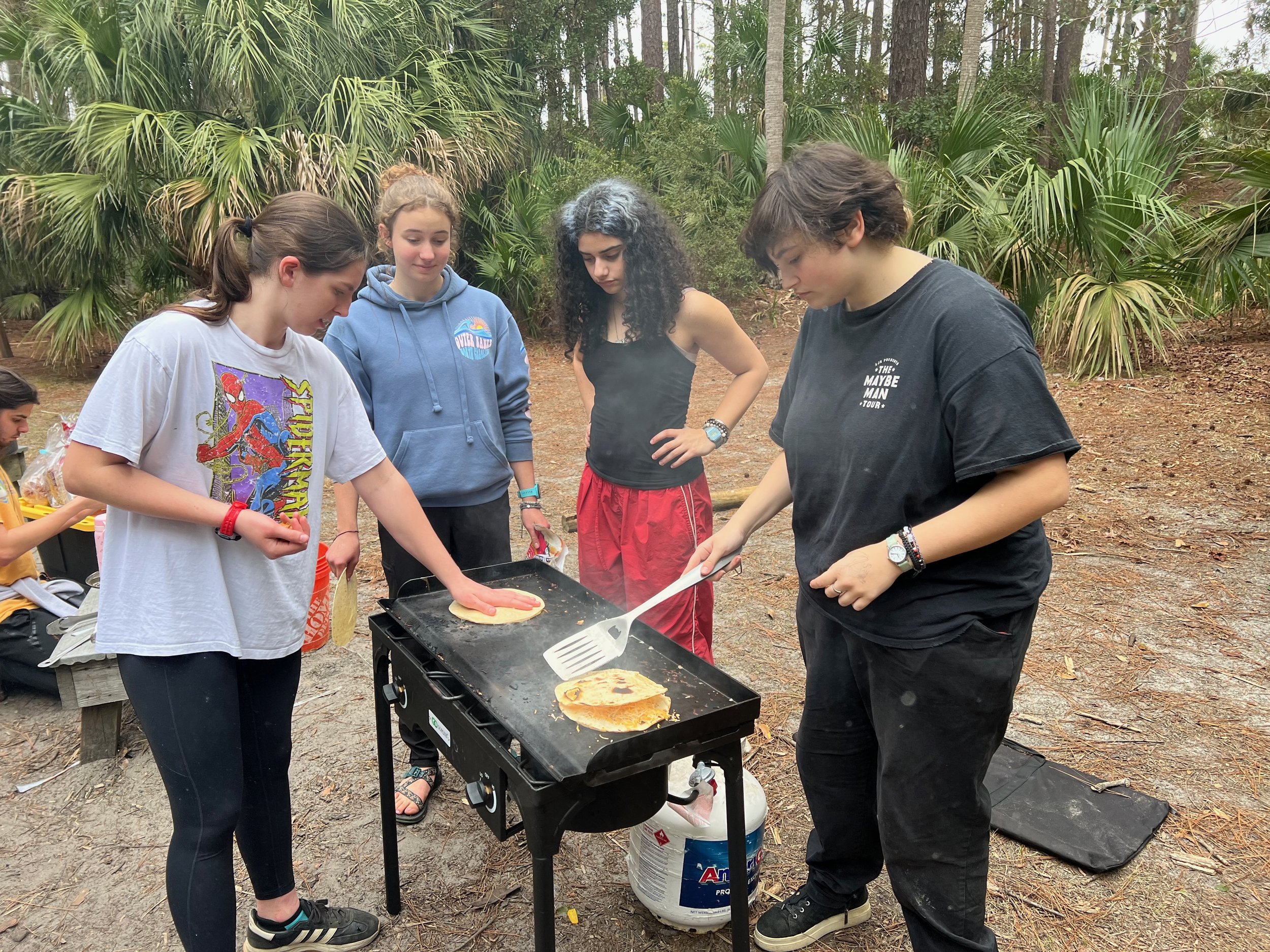
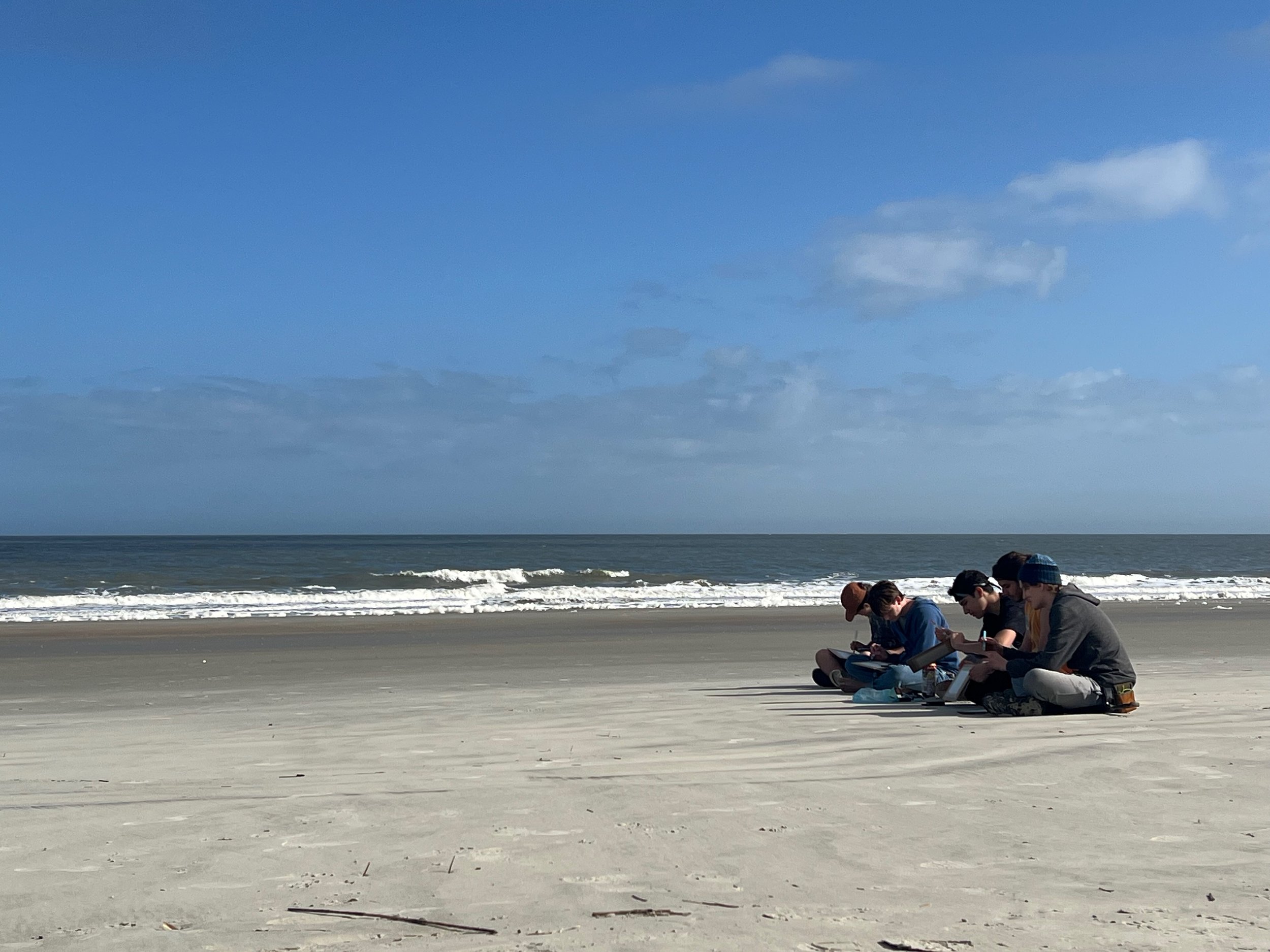
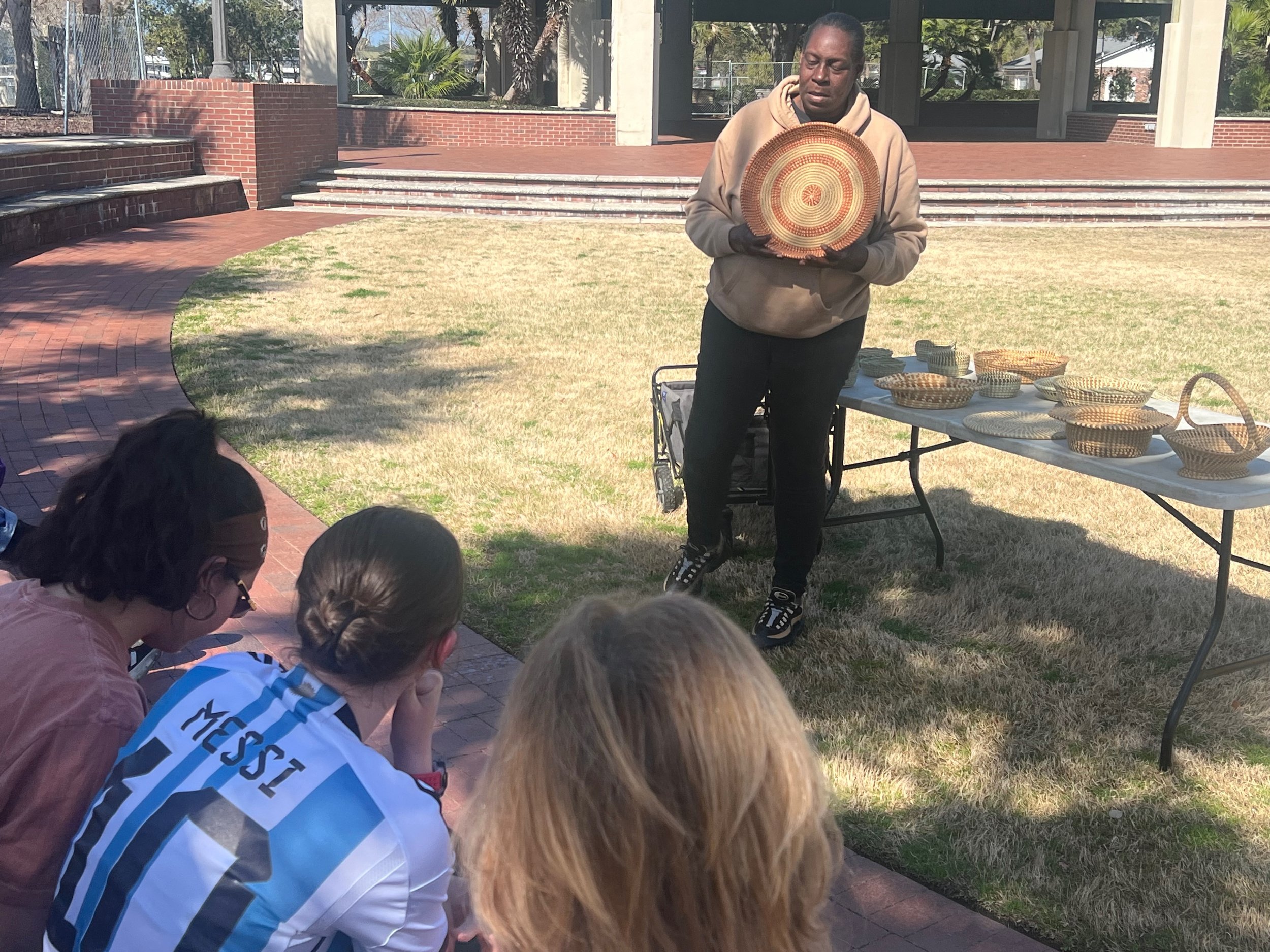
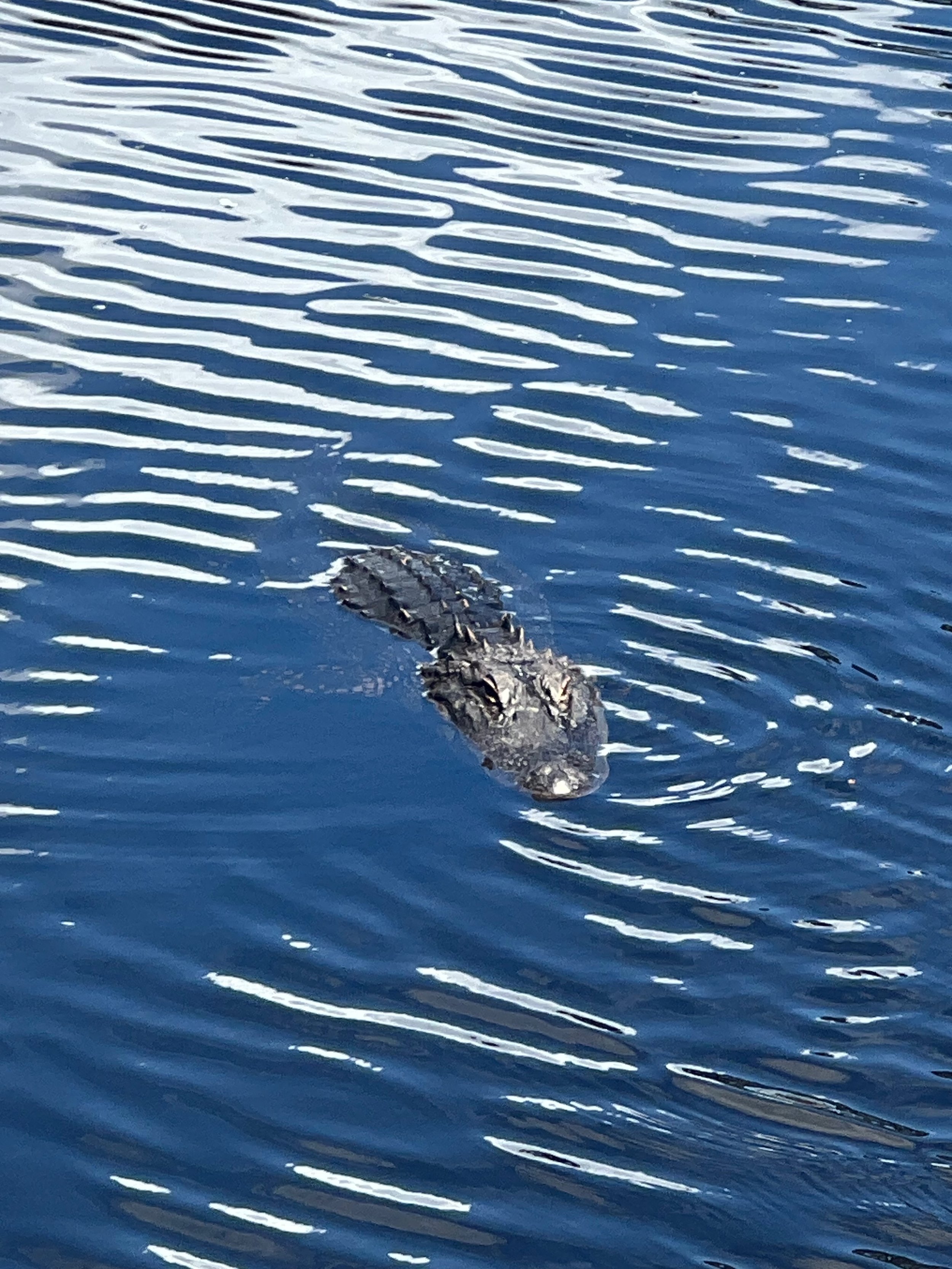
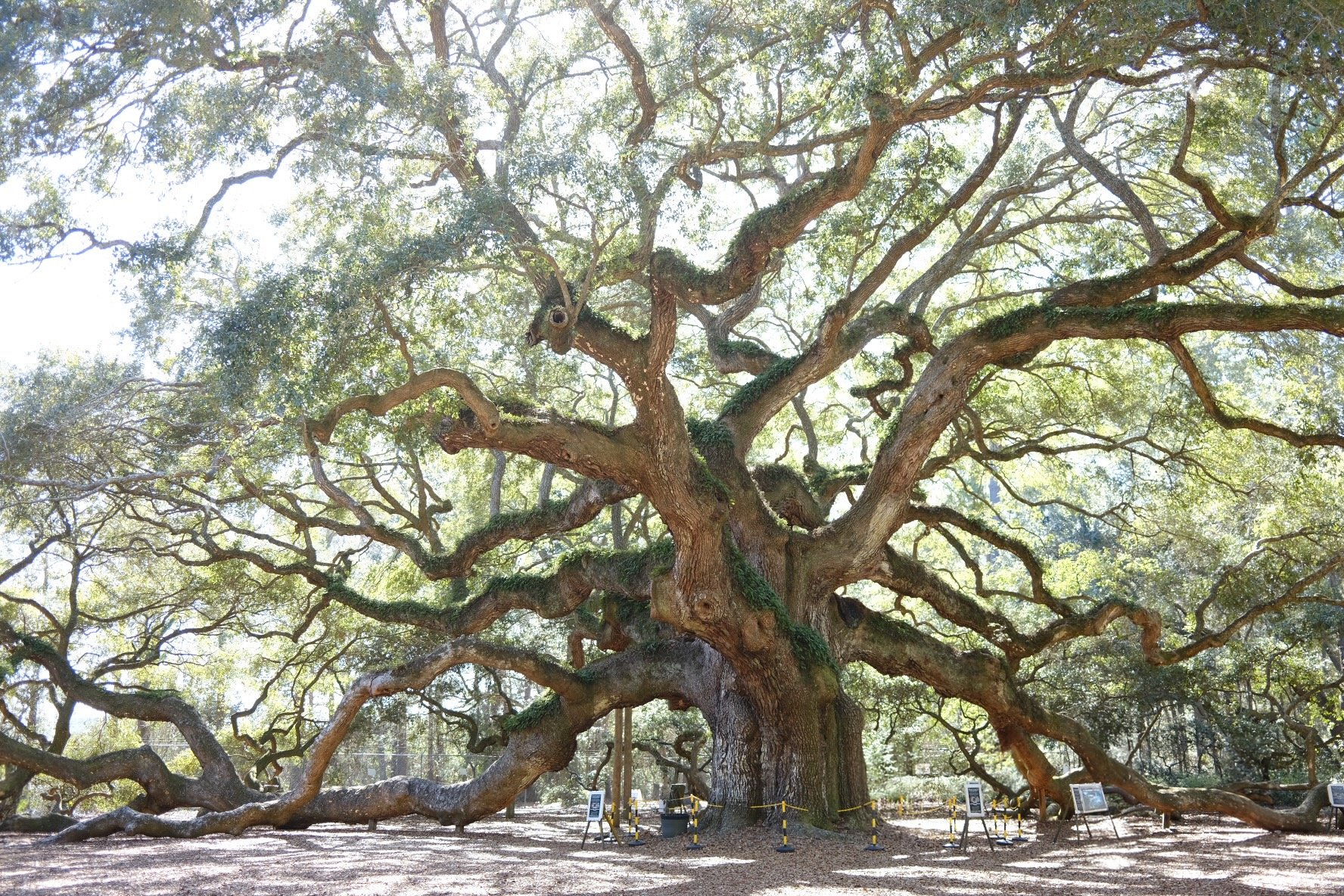
At Hunting Island, SC, the Atlantic breathes in and out against a shifting shore. The palmetto and pine lean into the wind. The salt marsh glows bronze at dusk. The sand remembers the long migrations of turtle and shorebird. We went there not as tourists, but as students of place, to listen to the language of barrier islands, to study the coastal forest ecosystems that rise between dune and marsh, and to encounter the layered human history of the Southern coast, from Indigenous presence to Gullah Geechee culture to modern conservation. We lived close to the elements - wind, tide, sun, and salt - and allowed the island to become our classroom. We visited the sea island salt marshes and a bald cypress swamp preserve with an astonishing variety of birds and other wildlife. We also had the privilege of visiting the Angel Oak, a massive, historic Southern Live Oak located on Johns Island near Charleston, South Carolina. Estimated to be 300–500 years old, this tree has been a witness to hundreds of years of human history. In Charleston, we visited the International African American Museum and took a tour of the American College of the Building Arts courtesy of Niki Chan, EWS graduate and current blacksmithing student. Throughout the week, our journey wove together ecology, history, and lived experience into a single, living story - one in which the land, its peoples, and its enduring rhythms became our greatest teachers, inviting us to carry forward a deeper sense of place, responsibility, and belonging.
-- Catherine Reyes, High School Science & Chemistry Teacher